|
Dr.Andrew Asher is the Assessment Librarian at Indiana University Bloomington, where he leads the libraries’ qualitative and quantitative assessment programs, conducts research on the anthropology of information, and teaches research methods in information science. Asher’s most recent work examines search and discovery workflows of students and faculty, information fluency development, and the ethical and privacy dimensions of learning analytics data. He was a member of the recently-completed Data Doubles project research team, a three-year IMLS funded study of student perspectives of privacy issues associated with learning analytics initiatives in libraries. Asher holds a PhD in sociocultural anthropology from the University of Illinois at Urbana-Champaign, and has written and presented widely on applying ethnography and mixed-methods research in academic libraries, including the co-edited volume, College Libraries and Student Culture. |
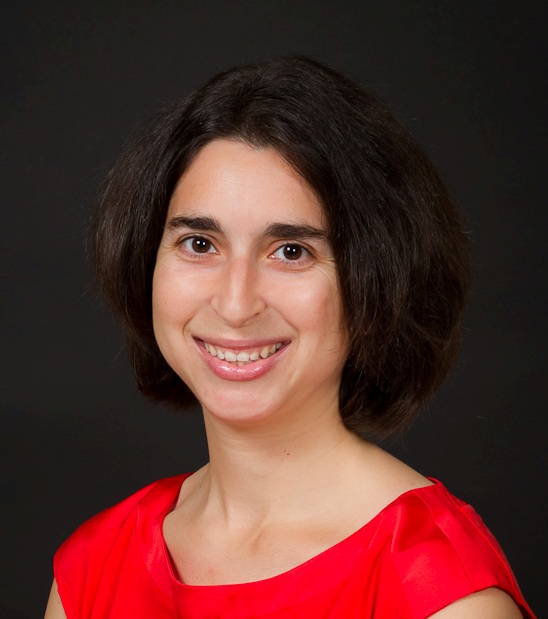 |
Sarah Buchanan is an Assistant Professor at the School of Information Science & Learning Technologies (iSchool) at the University of Missouri. See https://education.missouri.edu/person/sarah-buchanan/ for a faculty profile. She studies how people interact with cultural heritage, from museum and archival studies perspectives. Her research interests include digital classics, data and provenance issues in archaeological archives, and arrangement and description of special collections. Related publications examine topics in information history as well as collection data quality and graduate education in archival studies. Her dissertation examined archaeological curation practices at multiple sites involved in the creation and use of object documentation. The findings argue for the interconnectedness of archaeological practice in fieldwork, conservation, curation, and exhibition. |
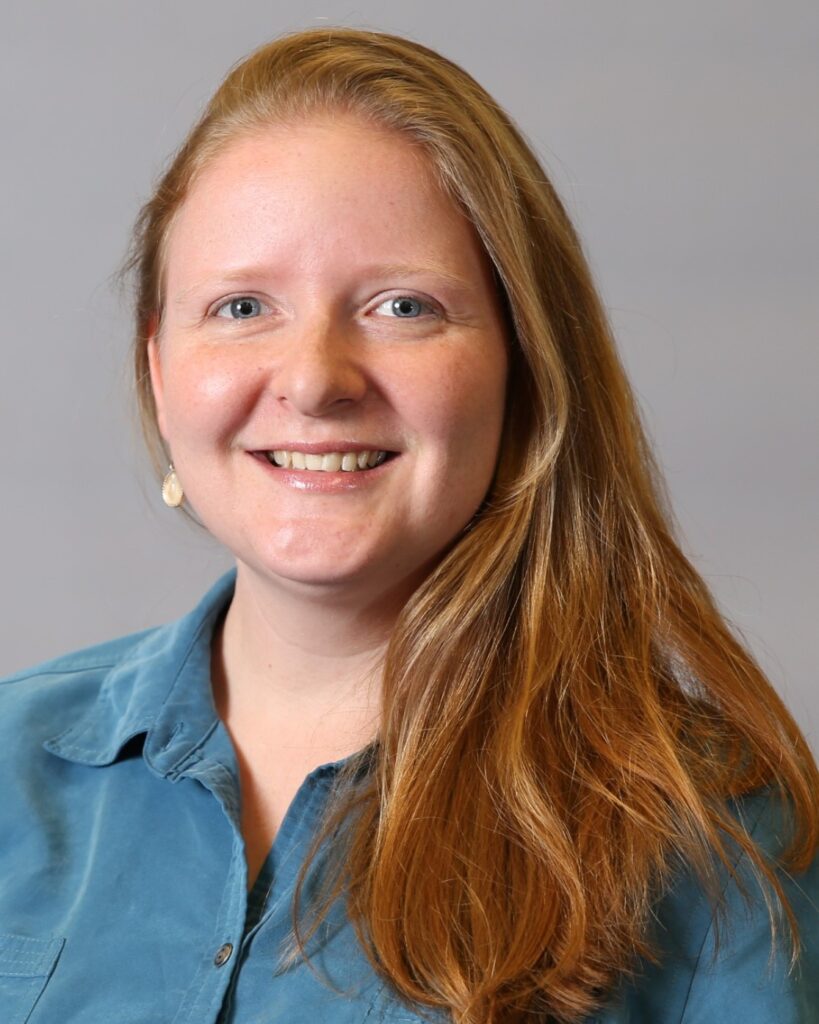 |
Celia Emmelhainz is the senior archivist at Harvard’s Peabody Museum of Archaeology & Ethnology. She previously led the National Anthropological Archives at the Smithsonian as well as the anthropology library at UC Berkeley. She holds master’s degrees in anthropology and in library science. Emmelhainz has conducted fieldwork in Mongolia and Kazakhstan, consulted on NSF and IMLS projects on ethnographic data management, and led workshops for librarians and researchers in Greece, Poland, and Kazakhstan. Her current focus is on scalable strategies for archiving in anthropology. |
 |
Rachel Fernandez is the Research Data Reproducibility Librarian at Arizona State University, responsible for developing and managing research data publication workflows and supporting the ASU research community with an emphasis reproducible and open science practices. Previously, she worked as the Digital Preservation Program Manager at the Center for Digital Antiquity which managed the Digital Archaeological Record (tDAR), a digital repository for archaeological data. Rachel holds a MA in Classical Archaeology from the University of Colorado, Boulder and a Master’s in Library and Information Science with a focus on digital curation from the University of Arizona. |
 |
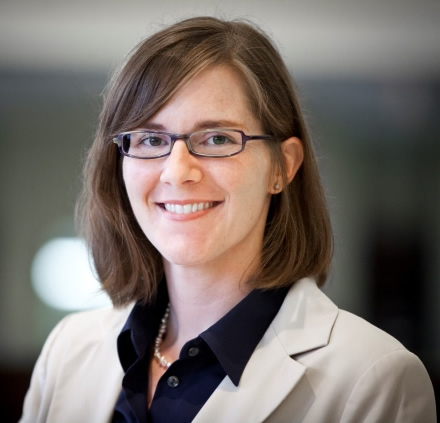
Robin R. R. Gray (PhD)is Ts’msyen and Mikisew Cree, and an Assistant Professor of Sociology at the University of Toronto. Her research centers primarily on the politics of Indigeneity in settler colonial contexts such as Canada, USA, New Zealand and Australia. As a socio-cultural anthropologist and Indigenous studies scholar, Dr. Gray employs critical ethnographic, community-based, Indigenous and intersectional methodologies in the study and presentation of knowledge, power, culture and society. Dr. Gray’s current research projects focus on the repatriation of Ts’msyen songs from archives, and foundational issues related to the preservation, management, ownership, access and control of Indigenous cultural heritage. She is working on a book manuscript titled, Rematriation: Indigenous Law, Property and Nationhood. In it she is analyzing various forms of Indigenous repatriation to interrogate the colonial power dynamics engendered by the transformation of Indigenous cultural heritage into the property of people, states and institutions unrelated to the source community. Theoretically, it necessarily confronts the contested sites of archives, museums, law, ethnographic collecting practices, cultural appropriation, collective memory, intellectual property issues, and Indigenous rights, while it also disrupts totalizing discourses of Indigeneity, nationhood, property and heritage—including the concept of repatriation itself. |
 |
Lori Jahnke (PhD, Biological Anthropology, Tulane University) is the Librarian for Anthropology at Emory University. Her research interests include non-textual systems of information organization and communication, and the relationship of institutional structures, market dynamics, and academic norms to asymmetries in knowledge production and preservation. In support of her work in anthropology, archives, and digital collections, Lori has been awarded grants from the National Science Foundation, the National Endowment for the Humanities, the American Philosophical Society, the Field Museum of Natural History, and the Roger Thayer Stone Center for Latin American Studies. Prior to joining Emory, she was a Council on Library and Information Resources Postdoctoral Fellow at The College of Physicians of Philadelphia, and she was a Research Lead for the CLIR/DLF study of data management practices among university researchers sponsored by the Sloan Foundation. She received her PhD in biological anthropology from Tulane University. |
 |
Jesse Johnston is a Clinical Assistant Professor at the University of Michigan School of Information. He has previously served as a senior librarian for digital content at the Library of Congress, senior program officer for preservation and access at the National Endowment for the Humanities, and was an adjunct faculty member at George Mason University and the University of Maryland iSchool. |
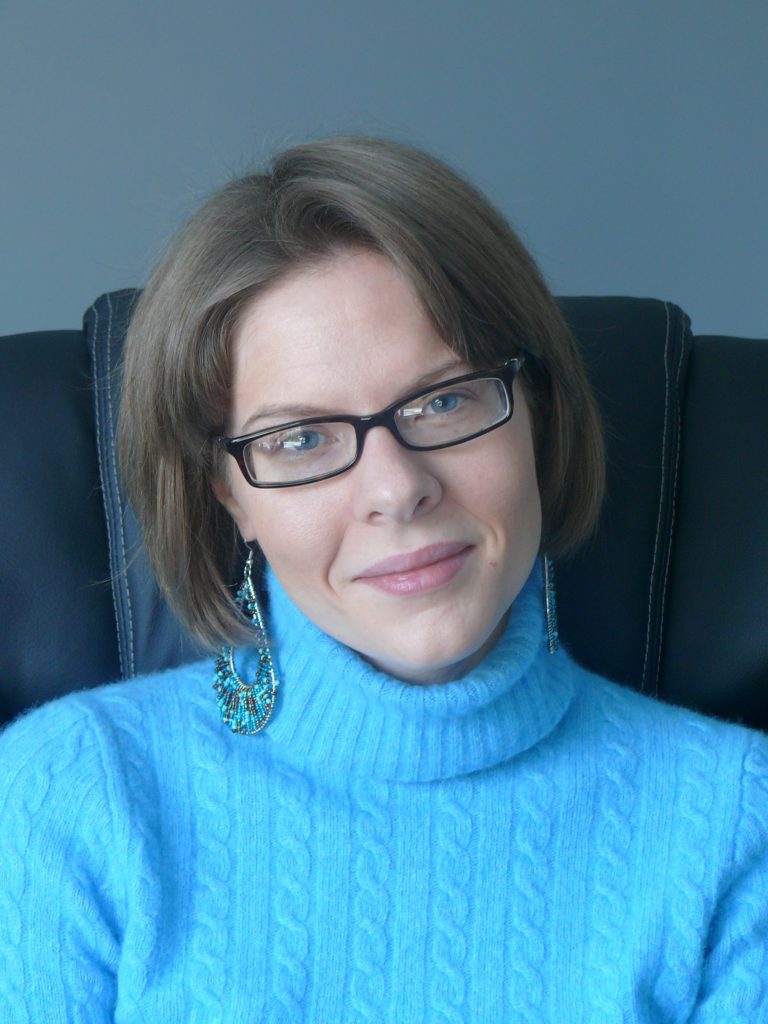 |
Katie Kirakosian is an archaeologist and adjunct faculty of University of Massachusetts Amherst, MA. With Heidi Bauer-Clap, her work has explored archives and archaeology and barriers to access for archaeologists. She completed her Ph.D. at the University of Massachusetts Amhearst on shell midden archaeology; in that research, she visited archives throughout Massachusetts, Rhode Island, and New York. |
 |
Adrianna Link is Curator of History of Science at the American Philosophical Society in Philadelphia. She holds a PhD in the history of science from Johns Hopkins University, where she specialized in the history of American anthropology and the formation of anthropological archives during the mid-20th century. She is currently finishing a book manuscript on the history of “urgent anthropology” at the Smithsonian Institution. Beyond this work, she serves as a co-chair of the History of Science Society’s CALM (Collections, Archives, Libraries, and Museums) Caucus, and is a co-convener of the “Collections and Collecting” working group hosted by the Consortium for the History, Technology, and Medicine. She is also part of the editorial collective of the History of Anthropology Review. |
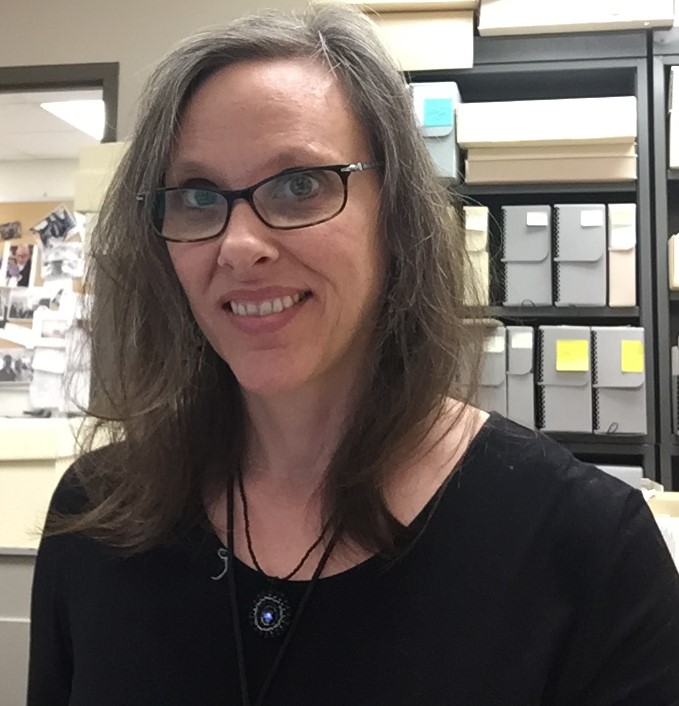 |
Gina Rappaport is the Archivist for Photograph Collections and Head Archivist at the Smithsonian Institution’s National Anthropological Archives. Though not an anthropologist, Gina experienced fieldwork when accompanying her father Roy “Skip” Rappaport to Papua New Guinea in the early 1980s, and she was nurtured by the anthropological community growing up, starting with Mervyn Meggitt spiking her milk bottle with rum when she was on a crying jag. Before joining the Smithsonian in 2009, Gina was a project archivist at the National Oceanic and Atmospheric Administration’s Pribilof Project Office where she co-authored The Pribilof Islands, a Guide to Photographs and Illustrations, a publication on historical visual resources relating to the history of the Pribilof Islands and the Aleutian people that live there. Prior to this Gina worked as a project archivist for a variety of individuals and institutions, including the University of Washington, The National Park Service, and the Winthrop Group. Gina received her BA in history at the University of Washington and her MA in history and archives management from Western Washington University. Gina’s research interests orient on the integration of archival theory into practice, especially with respect to the management of photographic collections; she explored some of these concerns in her master’s thesis, Limitations and Improvements in the Archival Management of Photographs. Another area of equal interest is in working with Native communities to develop protocols for the respectful care of Native cultural heritage held in non-native institutions. |
 |
Ugoma Smoke is a Metadata Specialist at the University of Maryland. She holds an M.L.I.S. from Kent State University with emphases in Archives and Special Collections, Museum Studies, and Digital Preservation. Ugoma has professional experience at the University of Arkansas (Mullins Library), Northwest Arkansas Community College, and in Indigenous community archives at the Cherokee Heritage Center and Pryor Public Library, with expertise in metadata management, digital collections, and community-centered archival projects. She serves as Chair of the SNAC Editorial Standards and Policy Working Group and as a steering committee member for the Native American Archives Section and the Metadata Digital Objects Section of the Society of American Archivists (SAA). Through her work with CoPAR, Ugoma contributes to initiatives that prioritize Indigenous knowledge, ethical archival practices, and culturally responsive digital preservation. She is passionate about empowering underrepresented communities through training, scholarly outreach, and collaborative archival projects. |
 |
Amanda Sorensen is a PhD Candidate at the University of Maryland College of Information where she studies museum databases and their information organizational schemes through time. She is also a Sales Assistant for Axiell ALM, a tech company specializing in software for cultural heritage institutions. Previously, she has worked for the Smithsonian National Museum of the American Indian, the Indian Arts Research Center at the School for Advanced Research, and the Field Museum. She holds an MA in anthropology from the University of British Columbia. |
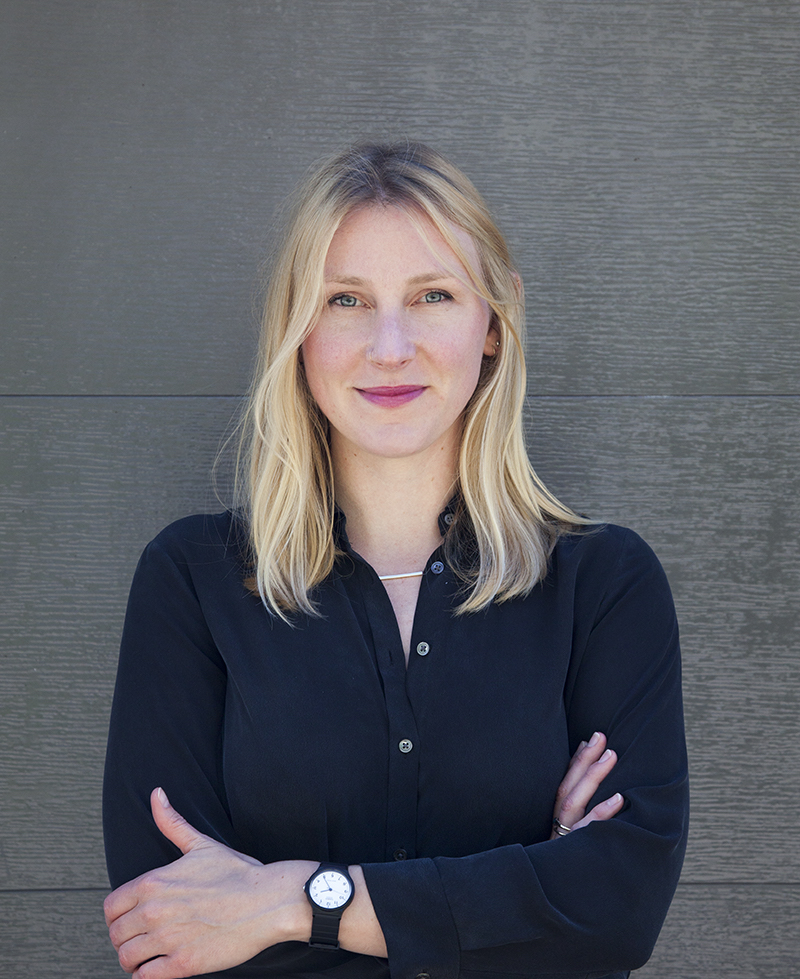 |
Hannah Turner is an Assistant Professor at the University of British Columbia’s School of Information. She is a critical information studies and museum studies scholar who researches the connection between knowledge, material culture and technology. She is interested in the historical classification systems that construct museum knowledge, as well as the ethical uses of new technologies for documenting and returning museum objects. Turner was previously a Lecturer in Museum Studies at the University of Leicester, held a SSHRC Postdoctoral Fellow in the Making Culture Lab at SFU, and is the author of Cataloging Culture: Legacies of Colonialism in Museum Documentation. She received her PhD from the University of Toronto. |